Power Profile: Senator Kurtis Gregory
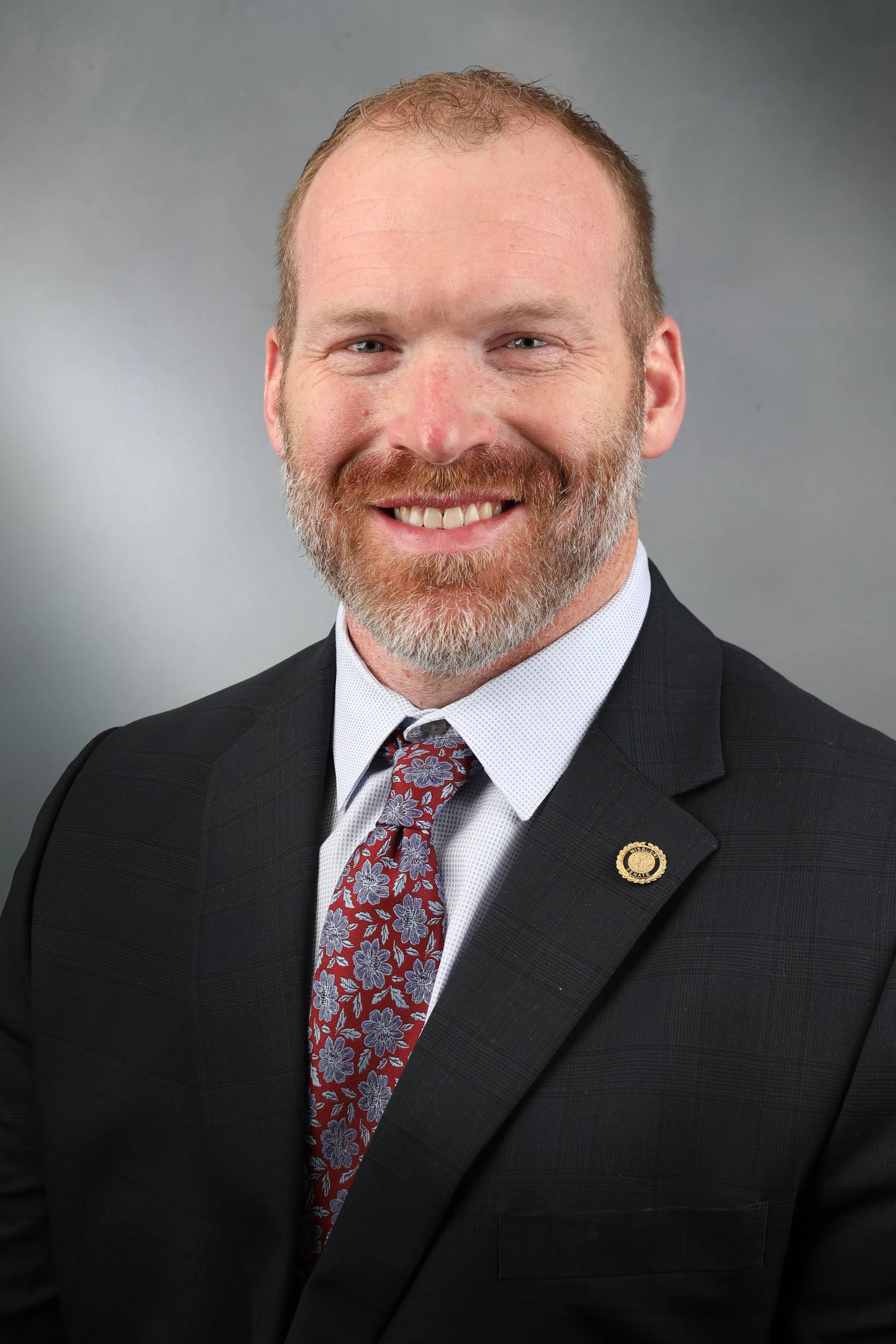
Senator Kurtis Gregory represents Missouri's 21st Senatorial District in the Missouri Senate. Photo courtesy of Sen. Gregory's office.
Senator Kurtis Gregory’s path to the Missouri Senate began with a practical lesson: public policy shapes daily life in rural Missouri, and those communities deserve a strong voice in Jefferson City.
A fourth-generation farmer from Sweet Springs, Gregory spent years working in agriculture and staying engaged in the issues that shape small-town economies. His first real look at the legislative process came through his involvement with the Missouri Corn Growers Association, where he learned how policy decisions made at the Capitol ripple out to producers and communities across the state.
“I served on the Missouri Corn Growers Board of Directors, and that probably is what got my thought process started toward running for a political office,” said Gregory.
That experience helped lead to his first successful run for the Missouri House in 2020. After four years in the House, Gregory was elected to the Missouri Senate in 2024, where he represents the 21st Senatorial District, which includes Cooper, Howard, Lafayette, Ray, Saline and parts of Clay counties.
Gregory said the differences between the chambers are significant, largely because the House and Senate are built to operate at different scales. With 163 members, the House manages a high volume of legislation quickly, while the Senate’s smaller membership allows more time for discussion and debate.
“Things definitely move faster in the House,” said Gregory. “Over here, things just generally seem to slow down more. A lot more thoughtful questions are asked.”
He said the smaller Senate body encourages lawmakers to communicate early and work through concerns before legislation reaches the floor. That helps to address disagreements sooner and makes collaboration more natural. In his view, some of the most productive work in Jefferson City happens away from the spotlight, adding collaboration and problem-solving doesn’t always make the news.
A former University of Missouri football player, Gregory often compares public service to the experience of being part of a team, where success depends on relationships and results.
“For me, it's the closest feeling that I've had to when I was playing sports,” he said. “And that's working on a team, whether it be Republican or Democrat. At the end of the day, we all got elected to try and make Missouri better.”
As Missouri plans for growth, Gregory said one of the state’s biggest long-term responsibilities is making sure infrastructure keeps pace, especially when it comes to energy reliability. He believes dependable electricity is essential not only for daily life but also for attracting employers and supporting industry across the state.
“At the end of the day, when someone gets home and they flip that light switch, they expect the lights to come on,” he said.
Gregory said reliability is also tied to economic competitiveness, especially as communities work to attract employers and support expanding industry. In his view, planning ahead for energy demands is one of the biggest responsibilities state leaders face, and he believes Missouri needs a balanced approach, one focused on keeping the grid stable year-round.
He also said many energy decisions require long-term thinking and careful coordination. Power generation and grid improvements take time to build, and he believes the state must make sure capacity and infrastructure keep pace with changing needs, rather than waiting until reliability becomes a problem.
Gregory pointed to Senate Bill 4, passed last year, as an example of Missouri taking a longer view. The wide-ranging energy package was designed to support long-term planning for new power generation, while strengthening consumer protections tied to project cost and schedule performance.
"While Senate Bill 4 took the necessary steps to ensure Missouri has the energy needed to be competitive both now and in the future, it also included a boatload of consumer protections," said Gregory. "Measures designed to help those suffering on the coldest winter nights and hottest summer days, this legislation included something for everyone."
Alongside energy, Gregory has remained focused on issues tied to agriculture and rural economic opportunity. This legislative session, he said one of his priorities is extending agricultural incentive programs that are set to expire in the coming years, including efforts that support ethanol, biodiesel and meat processing in Missouri.
“With the uncertainties already facing the ag market, including commodity prices and rising inputs, now is not the time to let those tools expire,” he said. “There’s just so many good things in there.”
Outside the Capitol, Gregory’s life centers around his family. He and his wife are raising three children, and when he’s away from Jefferson City, he values time with family and staying connected to the rural lifestyle he’s known all his life.
“And then the usual country boy stuff, hunting, fishing,” Gregory said. “Love going to sporting events.”
To learn more about Sen. Gregory and his work in the Missouri Senate, please visit his official webpage at senate.mo.gov.